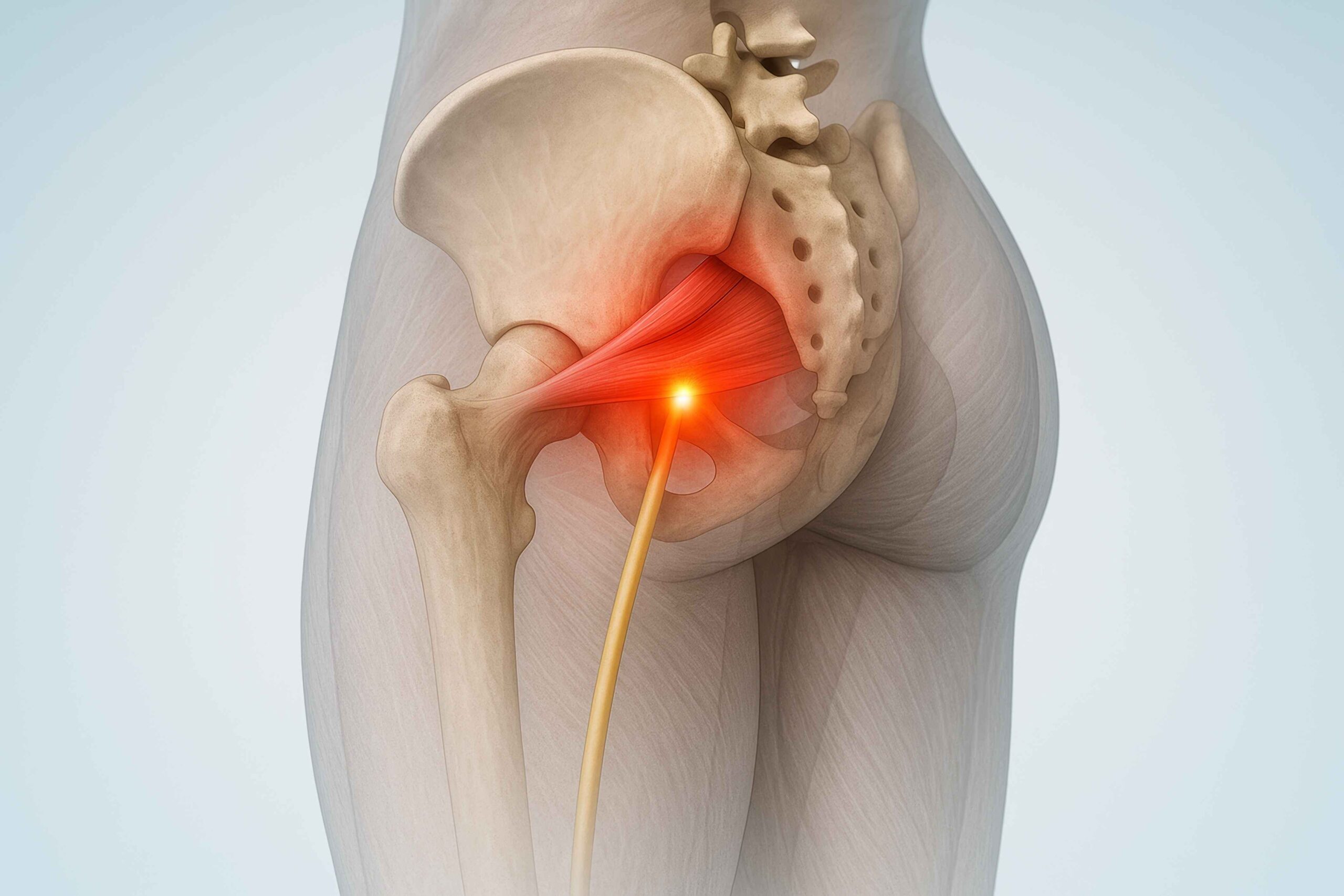
Piriformis Syndrome occurs when the piriformis muscle in the buttock compresses the sciatic nerve, causing pain that radiates from the lower back to the leg. At Solaceum Quick Relief, our therapy relieves muscle tension, reduces nerve irritation, and restores mobility naturally.
Non-surgical nerve and muscle restoration approach
Faster recovery with minimal workdays lost
Focused care aimed at long-term pain relief and flexibility
Comprehensive treatment guided by an experienced neurophysician
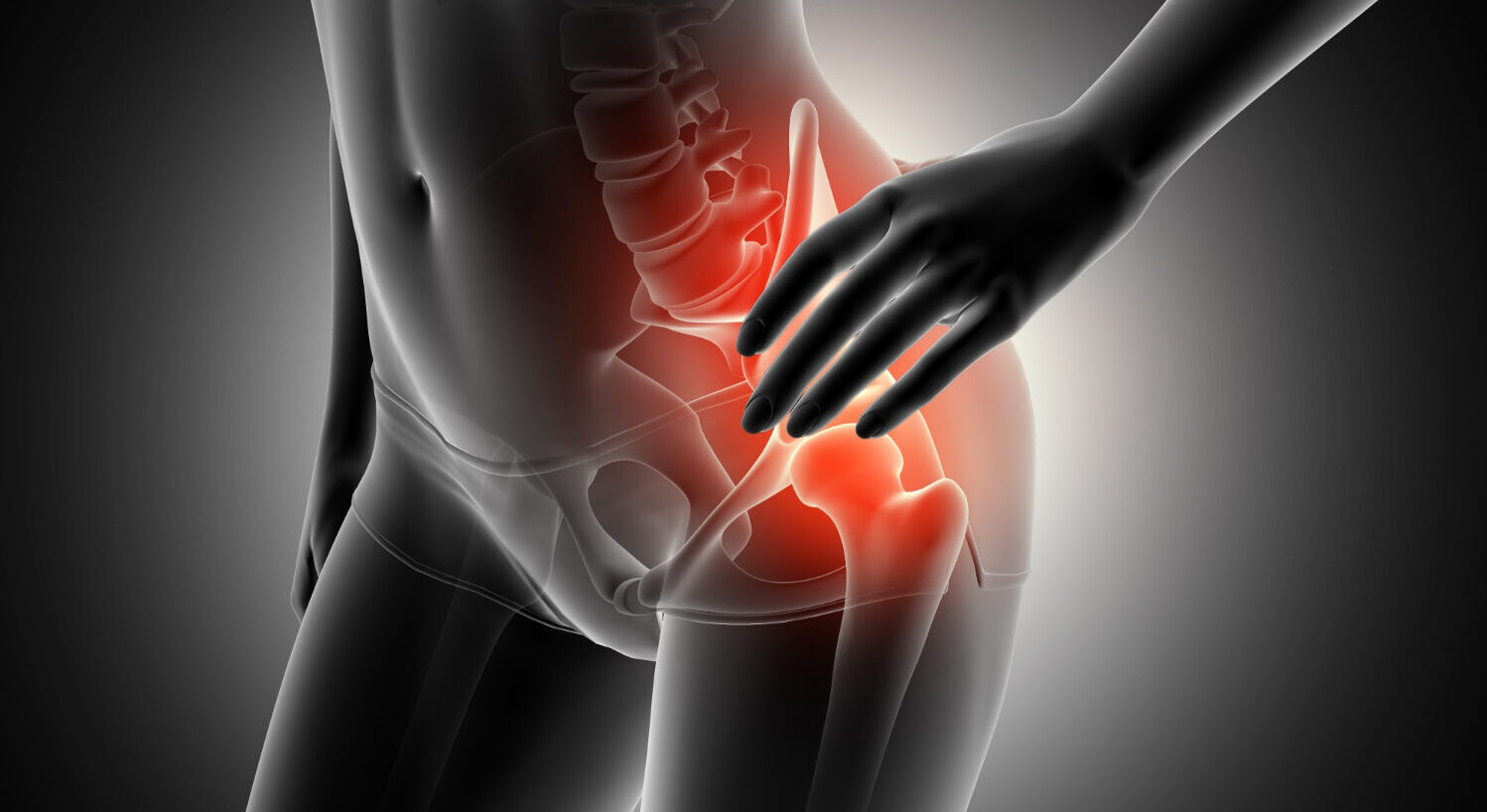
Symptoms typically include pain, tingling, or numbness in the buttocks that can radiate down the leg. Pain may worsen when sitting, climbing stairs, or performing certain movements. Prompt evaluation is important to prevent worsening discomfort and nerve irritation.
Piriformis Syndrome is caused by irritation or compression of the sciatic nerve by the piriformis muscle. Common causes include prolonged sitting, overuse, muscle strain, trauma, poor posture, or activities like running and cycling. Identifying the cause helps guide effective treatment.
Treatment includes stretching and strengthening exercises, physiotherapy, MLS Laser Therapy, rPMS, electrotherapy, posture correction, and ergonomic adjustments. Non-surgical methods aim to relieve nerve pressure, reduce inflammation, and restore mobility.
Avoid prolonged sitting, sudden twisting movements, heavy lifting, or exercises that worsen pain. Ignoring symptoms can lead to chronic discomfort or nerve damage.
We provide personalized non-invasive treatments including MLS Laser Therapy, rPMS, guided physiotherapy, and lifestyle guidance to reduce pain, restore function, and prevent recurrence.