
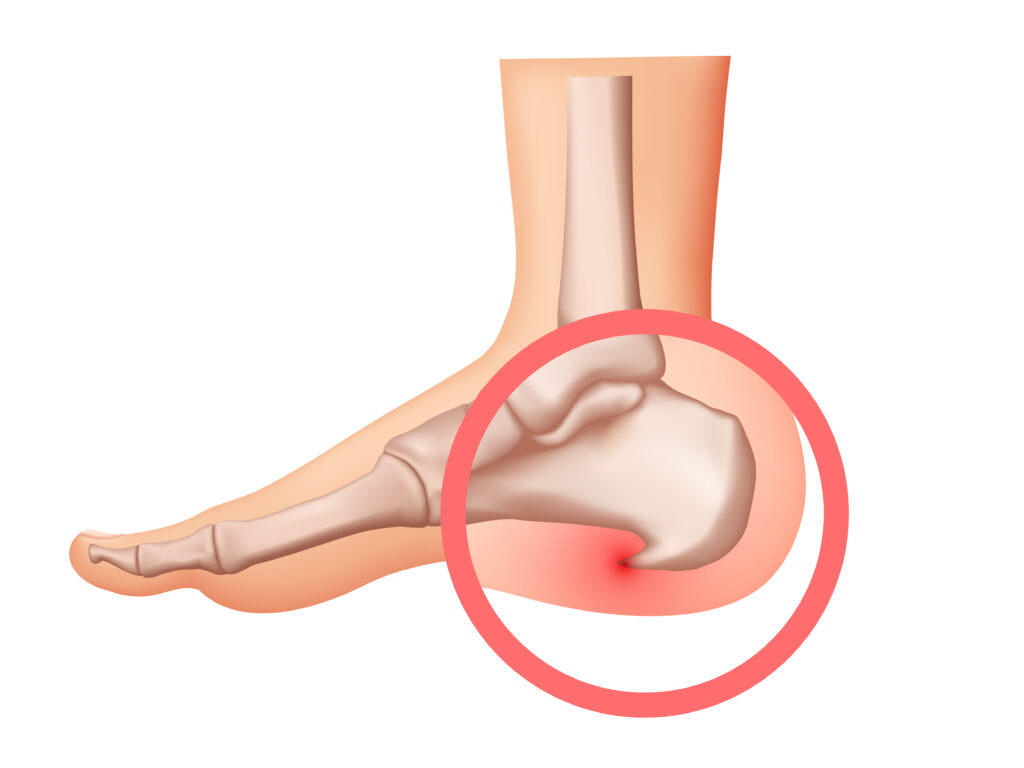
What is Plantar Fasciitis?
Plantar fasciitis is a common cause of heel pain. It happens when the thick band of tissue on the bottom of your foot, called the plantar fascia, becomes inflamed. This tissue connects your heel bone to your toes. When it is irritated, you may feel sharp pain, especially when you take your first steps in the morning. According to the CDC, plantar fasciitis affects millions of people each year. It can make walking or standing uncomfortable. Early treatment can help reduce pain and prevent long-term problems.
Common Symptoms
Many people with plantar fasciitis notice pain in the bottom of the heel. However, symptoms can vary. For example, some people feel pain after exercise, while others feel it most when they wake up. Here are the most common symptoms:
Because symptoms can change, it is important to track when and where you feel pain. This helps your doctor make a proper diagnosis.
Causes and Risk Factors
Plantar fasciitis can develop for many reasons. Often, it is caused by too much stress on the foot. For instance, running or standing for long periods can strain the plantar fascia. Other factors can also increase your risk:
Because these factors add pressure to your feet, they can lead to tiny tears in the tissue. Over time, this causes pain and swelling.
Diagnosis Methods
Doctors use several methods to diagnose plantar fasciitis. First, they will ask about your symptoms and medical history. Next, they will examine your foot for tenderness and swelling. Sometimes, doctors may order tests to rule out other causes of heel pain. These tests can include:
Because heel pain can have many causes, a proper diagnosis is important for effective treatment.
Treatment Options
There are many ways to treat plantar fasciitis. Most people get better with simple steps. However, some may need more advanced care. Common heel pain treatments include:
In rare cases, doctors may suggest steroid injections or surgery if other treatments do not help. According to the American Academy of Orthopaedic Surgeons, most people recover within several months.
Prevention Tips
Preventing plantar fasciitis is possible with a few simple steps. For example, you can:
Because prevention is easier than treatment, these habits can help you avoid future heel pain.
Lifestyle and Home Remedies
Many people find relief from plantar fasciitis with home care. For instance, you can try these simple remedies:
Because these steps are easy to do at home, they can help reduce pain and speed up healing. However, if your symptoms do not improve, it is important to see a doctor.
Plantar fasciitis can cause heel pain and affect daily activities. At Solaceum Quick Relief, our specialists provide personalized care and early treatment to help you get back on your feet quickly.
Consult our experts at Solaceum Quick Relief today for tailored plantar fasciitis treatment!