What is Spondylolisthesis?
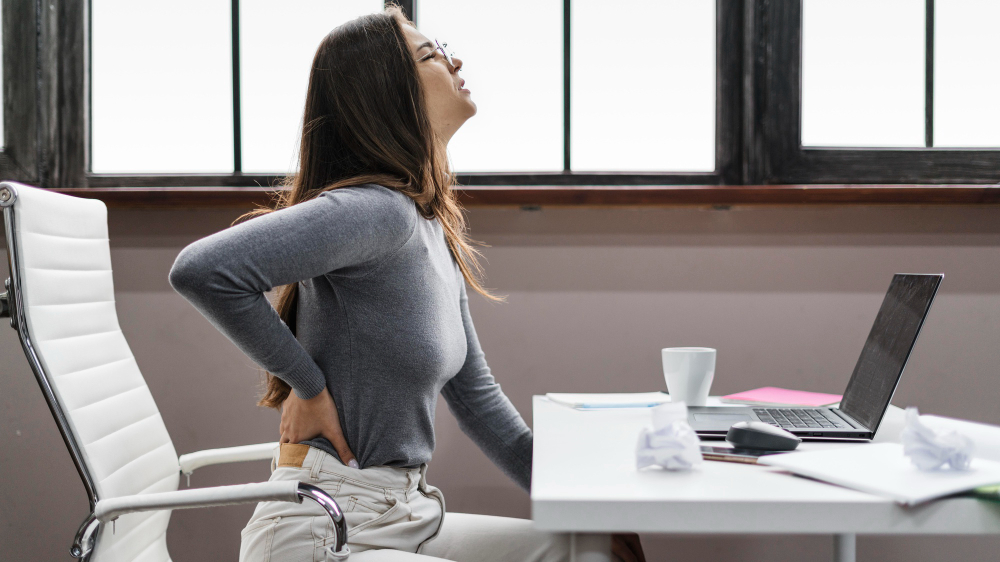
Spondylolisthesis is a condition where one of the bones in your spine slips out of place. This bone, called a vertebra, moves forward over the bone below it. As a result, you may feel pain or stiffness in your lower back. Spondylolisthesis can affect people of all ages, but it is more common in older adults. Early diagnosis and treatment can help manage symptoms and prevent further problems.
Common Symptoms
Many people with spondylolisthesis do not notice symptoms at first. However, as the condition gets worse, you may experience:
Sometimes, the pain can make it hard to walk or stand for long periods. If you notice these symptoms, it is important to see a doctor.
Causes and Risk Factors
There are several reasons why spondylolisthesis can happen. Some common causes include:
In addition, certain factors can raise your risk:
Knowing these risks can help you take steps to protect your spine.
How Spondylolisthesis is Diagnosed
Doctors use several methods to diagnose spondylolisthesis. First, they will ask about your symptoms and medical history. Next, they will do a physical exam to check your back and legs. Often, they may order imaging tests, such as:
These tests help doctors find the cause of your pain and decide on the best treatment. Early diagnosis can prevent the problem from getting worse. According to the CDC and peer-reviewed studies, imaging is key for proper diagnosis.
Treatment Options
Treatment for spondylolisthesis depends on how severe your symptoms are. In many cases, simple steps can help. Your doctor may suggest:
However, if these steps do not help, or if the slip is severe, surgery may be needed. Surgery can help realign the bones and relieve pressure on nerves. Always talk to your doctor about the risks and benefits of each treatment.
Lifestyle Tips and Prevention
While you cannot always prevent spondylolisthesis, some habits can lower your risk. For example, you can:
In summary, taking care of your spine can help you stay active and pain-free. Early action can make a big difference.
For personalised advice on spondylolisthesis, consult a pain management and spine specialist at Solaceum Quick Relief.