
Introduction
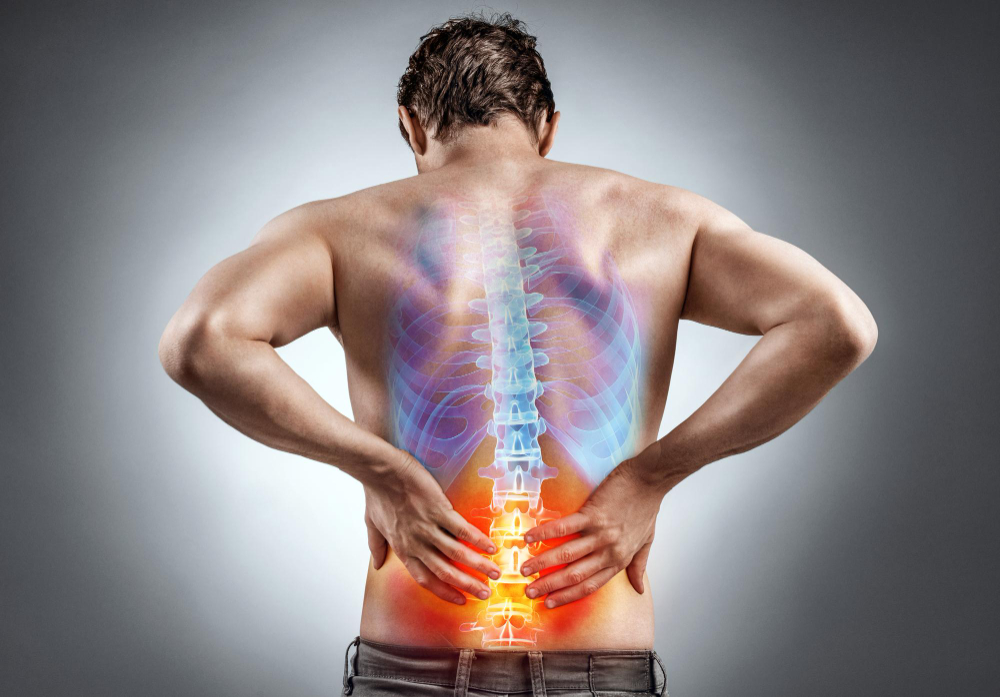
A disc bulge happens when one of the soft discs between your spine bones pushes out. This can press on nerves and cause pain. Many people experience a disc bulge at some point in life. Because it can affect daily activities, understanding disc bulge symptoms and treatment is important. Early care often leads to better results.
Symptoms
Disc bulge symptoms can vary. Sometimes, you may not feel any pain. However, when symptoms appear, they may include:
For example, some people feel sharp pain when bending or lifting. Others may notice weakness or a “pins and needles” feeling. If you notice these signs, it is wise to seek advice.
Causes and Risk Factors
Several things can cause a disc bulge. Most often, it happens because of wear and tear as you age. But, other factors can also play a role. These include:
Additionally, genetics may make some people more likely to develop a disc bulge. Knowing these risks can help you take steps to protect your spine.
Diagnosis Methods
Doctors use several ways to diagnose a disc bulge. First, they ask about your symptoms and medical history. Next, they may do a physical exam to check your strength, reflexes, and feeling in your limbs. If needed, they may order tests such as:
With these tests, your doctor can find the exact spot and size of the disc bulge. This helps guide the best treatment plan.
Treatment Options
Disc bulge treatment depends on your symptoms and how severe they are. Most people get better with simple steps. However, some may need more help. Treatment options include:
Medical Treatments
Surgical Treatments
Lifestyle Changes
For many, a mix of these treatments works best. Always follow your doctor’s advice for disc bulge treatment.
Prevention Tips
While you cannot always prevent a disc bulge, you can lower your risk. Try these tips:
By making these changes, you can help protect your spine and prevent disc bulge problems.
When to See a Doctor
Sometimes, disc bulge symptoms can be mild. But, you should see a doctor if:
Early care can prevent problems from getting worse. Therefore, do not wait if you have these signs.
Conclusion
Disc bulge can cause pain and limit your daily life. However, with the right care, most people recover well. Remember, prevention and early treatment are key. Consult a specialist at Solaceum Quick Relief for personalised guidance and effective relief options.