
ACL Injuries Treatment in Madhapur, Hyderabad

Understanding ACL Injuries

An Anterior Cruciate Ligament (ACL) injury is a tear or sprain of one of the key ligaments that helps stabilise the knee joint. It commonly affects athletes and physically active individuals, especially during activities involving sudden stops, twists, or jumps. At Solaceum Quick Relief, Madhapur, we focus on effective, non-surgical rehabilitation and advanced pain management to help patients recover mobility and return to their active lifestyle safely.
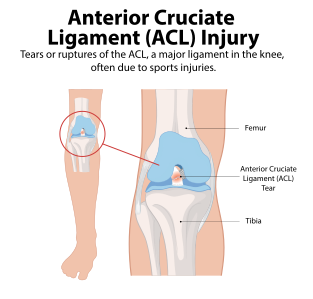

Recognising ACL Injury Symptoms

ACL injury treatment

ACL injuries can range from mild sprains to complete tears. Common symptoms include:

  • A popping sound or sensation at the time of injury
  • Swelling or stiffness in the knee shortly after trauma
  • Instability or a feeling that the knee may “give way”
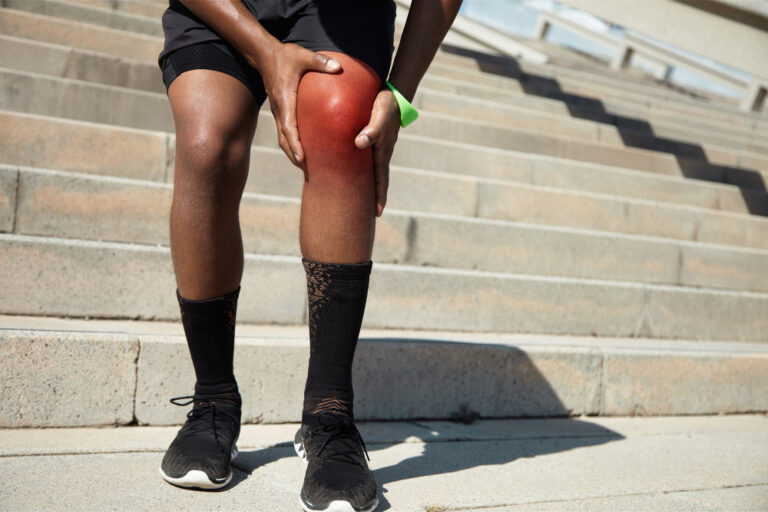
  • Pain and tenderness around the joint
  • Limited range of motion or difficulty in straightening leg

Prompt evaluation is important to avoid complications and support early healing.
159

ACL injuries can be painful, but recovery is possible with the right care.

When Should You See a Specialist?

Consult an ACL injury specialist if:

Pain or swelling appears suddenly after twisting or impact

You cannot bear weight or walk properly

Your knee feels unstable or locks during movement

You notice persistent swelling or discomfort despite rest

Early diagnosis ensures proper management and prevents long-term knee instability.

What Causes ACL Injuries?

ACL injuries typically occur due to sudden movements, trauma, or muscle weakness around the knee. Identifying the exact cause helps specialists create personalized treatment and rehabilitation plans.

Sudden direction changes during sports

Direct trauma or impact to the knee

Overextension or overstretching of the knee

Weak thigh/ hamstring muscles unable to support the knee

Effective ACL Injury Treatment

At Solaceum Quick Relief, we follow a structured non-surgical treatment approach focused on pain relief, joint strengthening, and restoring knee stability.

  • Advanced regenerative and neuro-modulatory therapies.

  • Stimulates natural healing at the cellular level.

  • Improves blood flow and tissue repair.

  • Ensures faster, long-lasting, and non-invasive recovery.

DO'S

  • Follow prescribed strengthening and stability exercises from your physiotherapist
    These exercises help improve joint function and prevent further knee strain.
  • Use knee braces if recommended
    Braces provide support and stability, especially during physical activity.
  • Apply cold therapy to reduce swelling and inflammation
    Cold compresses can minimize pain and help control inflammation after activity.

DON'TS

  • Avoid sudden twisting or jerky movements
    These movements can stress the knee joint and worsen the condition.
  • Do not engage in high-impact activities or sports until cleared by your therapist
    Wait for your physiotherapist’s approval before resuming strenuous activities.
  • Do not ignore pain or swelling, as these may indicate further strain or inflammation
    Address discomfort early to prevent worsening of the knee condition.

Why Choose Solaceum Quick Relief for ACL Injury Care?

Expert Pain Specialist

Personalised Recovery Plans

Advanced Technologies

Consult us now

Frequently Asked Questions

An ACL injury typically causes a “popping” sound at the time of injury, followed by swelling, knee instability, and difficulty bearing weight. Many patients also experience pain when trying to pivot or twist the knee.

Yes, in many mild to moderate cases, ACL injuries can heal without surgery when managed through advanced non-invasive treatments.

If pain persists for more than a few days, radiates to shoulders or arms, causes numbness or weakness, or affects daily activities, consult a physiotherapist promptly.

Avoid bending or twisting your neck abruptly, long hours of screen time without breaks, and sleeping on your stomach. These actions can worsen discomfort.

Effective treatments include MLS Laser Therapy, rPMS, manual and electrotherapy, guided home exercises, and postural corrections under physiotherapist guidance.