
Introduction
Knee pain is a common problem for people of all ages. It can make walking, climbing stairs, or even sitting difficult. Because the knee is a major joint, pain here can affect daily life. Many people want to know about knee pain causes and how rehabilitation helps. Understanding the reasons for knee pain can guide you to the right treatment.
Common Causes of Knee Pain
There are several knee pain causes. Some are due to injury, while others develop over time. Knowing the cause can help you find the best treatment.
Symptoms of Knee Pain
Knee pain can feel different for everyone. However, there are some common symptoms to watch for:
Sometimes, symptoms may come on suddenly. Other times, they develop slowly over weeks or months.
How Knee Pain Is Diagnosed
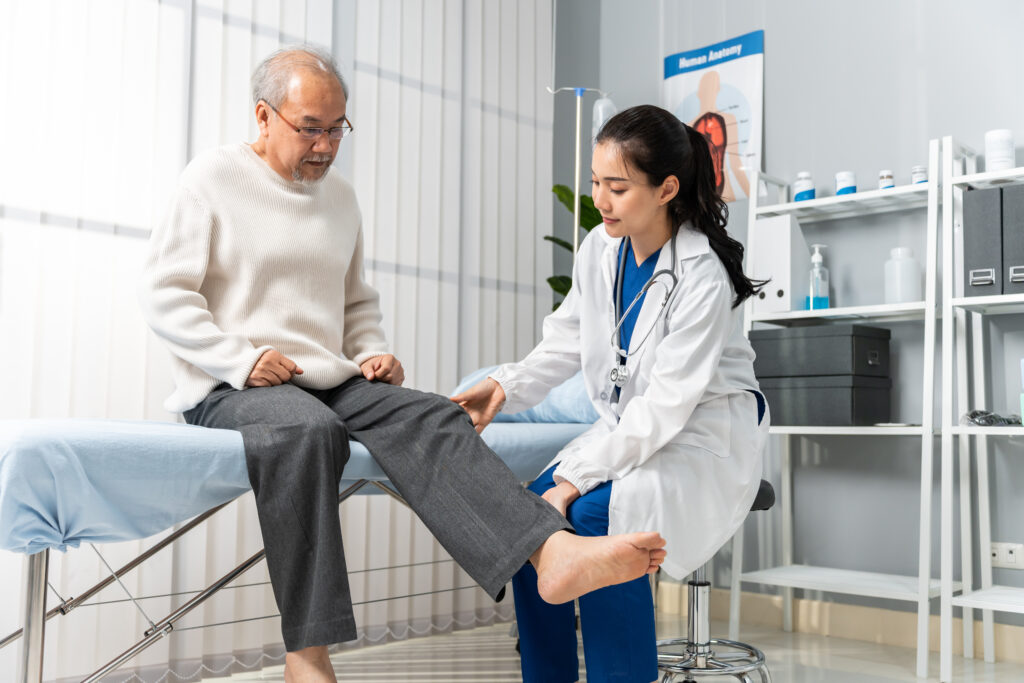
Doctors use several steps to find the cause of knee pain. First, they ask about your symptoms and medical history. Next, they check your knee by moving it and pressing on different areas. Often, doctors use tests like X-rays or MRI scans to look inside the joint. Blood tests may help if an infection or arthritis is suspected. Because each case is different, your doctor will choose the best tests for you.
How Rehabilitation Helps Knee Pain
Rehabilitation for knee pain is a key part of recovery. Physical therapy and special exercises can help you heal faster. For example, rehab can:
In many cases, rehabilitation for knee pain can help you avoid surgery. Even after surgery, rehab is important for a full recovery. According to the CDC, physical therapy is safe and effective for most people with knee pain.
Rehabilitation Techniques for Knee Pain
There are many ways to treat knee pain with rehabilitation. Your physical therapist may suggest:
Sometimes, therapists use special tools or machines to help with healing. However, most exercises can be done at home with simple equipment.
Prevention Tips for Knee Pain
Although knee pain is common, you can take steps to lower your risk. Here are some tips:
By following these tips, you can help protect your knees and stay active.
When to See a Doctor
Sometimes, knee pain needs medical attention. You should see a doctor if:
Early treatment can prevent further damage and speed up recovery. If you live in a city with knee pain rehabilitation centers, consider visiting one for expert care.
Conclusion
Knee pain can affect your daily life, but help is available. Understanding knee pain causes and how rehabilitation helps is the first step. With the right care, most people can return to their normal activities. Consult an orthopedic specialist at Solaceum Quick Relief for personalized advice on knee pain and rehabilitation.