
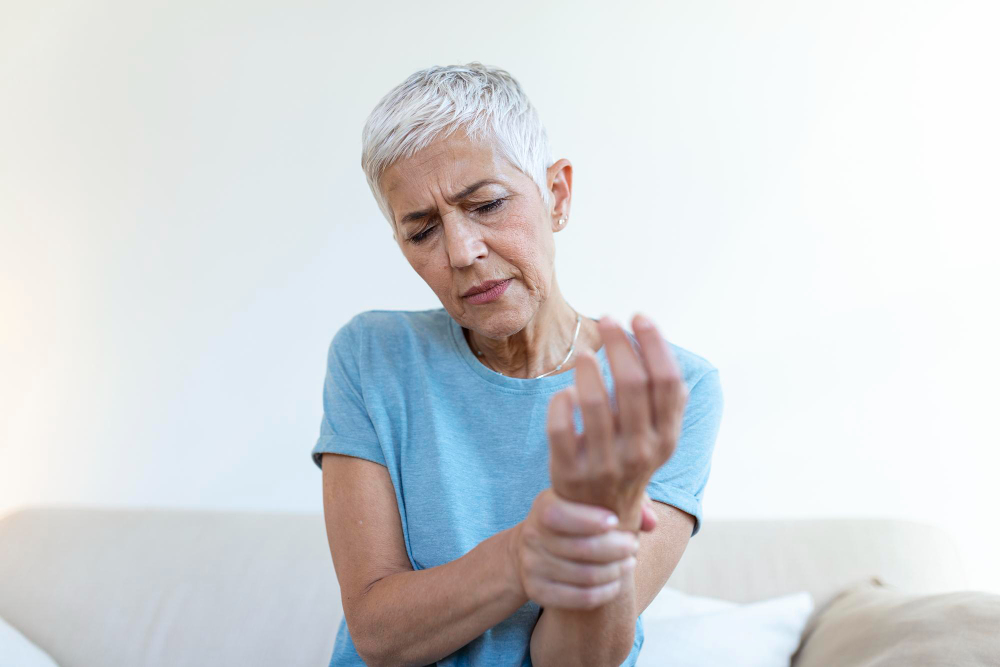
What is Peri Arthritis?
Peri arthritis is a condition that causes pain and stiffness around a joint. Most often, it affects the shoulder. However, it can also occur in other joints. The word “peri” means “around,” so peri arthritis involves the tissues near a joint, not just the joint itself. These tissues include muscles, tendons, and ligaments. Many people call it “frozen shoulder” when it affects the shoulder. Early treatment can help reduce pain and improve movement.
Common Symptoms of Peri Arthritis
Peri arthritis symptoms can vary. Still, most people notice pain and stiffness. These symptoms often get worse over time. For example, you may first feel mild discomfort. Later, you might find it hard to move the joint at all. Common signs include:
Because symptoms can be mild at first, many people wait before seeking help. But early care can prevent the problem from getting worse.
Causes and Risk Factors
Doctors are not always sure what causes peri arthritis. However, several factors can increase your risk. For instance, injuries or overuse of a joint can lead to this condition. Other causes and risk factors include:
Women are slightly more likely to get peri arthritis than men. Also, people with certain health conditions, like diabetes, have a higher risk.
How Peri Arthritis is Diagnosed
Doctors use several steps to diagnose peri arthritis. First, they ask about your symptoms and medical history. Next, they perform a physical exam. During this exam, they check your joint’s range of motion and look for pain or swelling. Sometimes, doctors order tests to rule out other problems. These may include:
Early diagnosis helps guide the best treatment plan. If you have ongoing pain or stiffness, it is important to see a doctor soon.
Treatment Options for Peri Arthritis
There are many ways to manage peri arthritis. Treatment depends on how severe your symptoms are. Most people start with simple steps. For example, rest and gentle exercises can help. Common peri arthritis treatment options include:
In rare cases, surgery may be needed if other treatments do not help. However, most people get better with non-surgical care. According to the CDC, early treatment can prevent long-term problems.
Lifestyle Tips and Prevention
While you cannot always prevent peri arthritis, some steps can lower your risk. For instance, staying active and keeping your joints moving is important. Here are some helpful tips:
Additionally, if you have had joint injuries, follow your doctor’s advice for recovery. This can help prevent stiffness and pain later.
When to See a Pain Management and Spine Specialist
Sometimes, home care is not enough. If your pain or stiffness does not improve, it is time to see a specialist. You should also seek help if:
Specialists can offer advanced pain management for periarthritis and may suggest new treatments or therapies. Early care can help you get back to your normal life faster.
For personalised advice on periarthritis, consult a pain management and spine specialist at Solaceum Quick Relief. Early treatment can make a big difference in your recovery.