
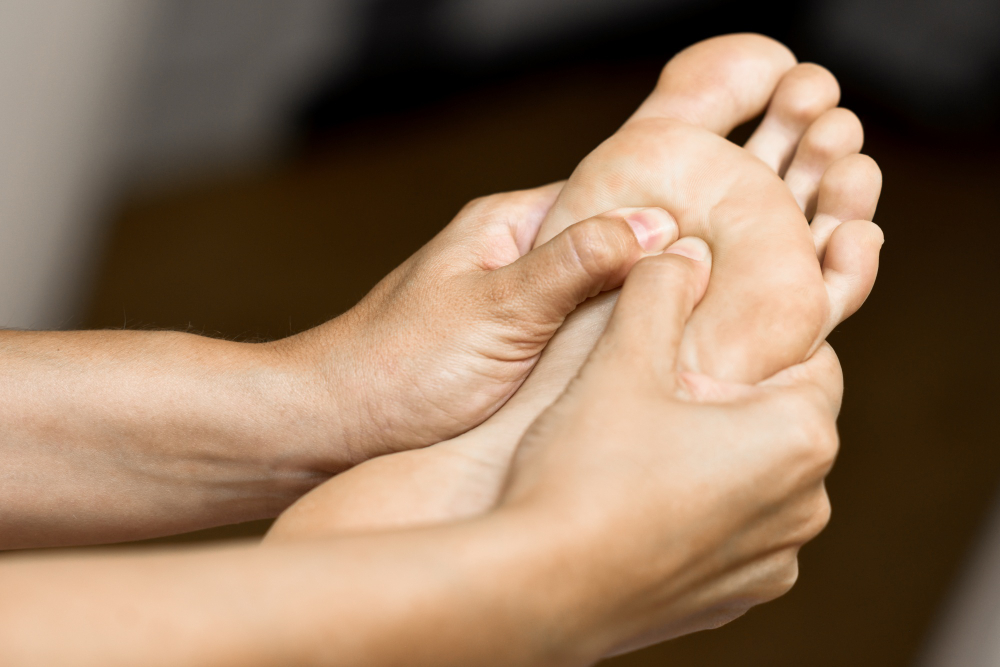
What Is Plantar Fasciitis?
Plantar fasciitis is a common cause of heel pain. It happens when the thick band of tissue at the bottom of your foot, called the plantar fascia, becomes inflamed. This tissue connects your heel bone to your toes. When it gets irritated, you may feel sharp pain, especially when you take your first steps in the morning. Many people experience this condition, and it can affect daily life. According to the CDC, plantar fasciitis is one of the most frequent foot problems seen by doctors.
Common Symptoms of Plantar Fasciitis
Plantar fasciitis symptoms can vary, but most people notice pain in the bottom of the heel. Often, the pain is worse after resting or sleeping. However, it may ease as you move around. You might also feel:
Because these symptoms can be similar to other heel pain causes, it is important to get a proper diagnosis.
Causes and Risk Factors
There are several causes and risk factors for plantar fasciitis. For example, repeated stress on the foot can lead to inflammation. Some common causes include:
Additionally, jobs that require standing on hard surfaces may increase your risk. Athletes, runners, and people with tight calf muscles are also more likely to develop plantar fasciitis.
Diagnosis Methods
Doctors use several methods to diagnose plantar fasciitis. First, they will ask about your symptoms and medical history. Next, they will examine your foot for tenderness and swelling. Sometimes, they may order imaging tests, such as:
Because heel pain can have many causes, these tests help confirm the diagnosis and guide treatment.
Treatment Options for Plantar Fasciitis
There are many ways to relieve plantar fasciitis. Treatment depends on how severe your symptoms are. Most people get better with simple steps. However, some may need medical or surgical help.
Home Remedies
Medical Treatments
Surgical Options
According to the American Academy of Orthopaedic Surgeons, most people recover without surgery.
Prevention Tips
Preventing plantar fasciitis is possible with a few simple steps. For instance, you can:
Because prevention is easier than treatment, these habits can help keep your feet healthy.
Lifestyle and Self-Care Guidance
Living with plantar fasciitis can be challenging, but self-care makes a big difference. For example, you can:
Additionally, staying active with low-impact activities can help you recover faster. Always follow your doctor’s advice for the best results.
Conclusion
Plantar fasciitis is a common cause of heel pain, but it is treatable. With the right care, most people recover fully. However, if your symptoms persist, consult a healthcare specialist at Solaceum Quick Relief for personalized advice on plantar fasciitis.