What is Scoliosis?
Scoliosis is a condition where the spine curves sideways. Usually, the spine should be straight. However, in scoliosis, it forms an “S” or “C” shape. This curve can be mild or severe. Many people develop scoliosis during childhood or early teens. Still, adults can also get it. Early detection helps manage the condition better. According to the World Health Organization (WHO), scoliosis affects about 2-3% of the population. Because scoliosis can change over time, regular check-ups are important.
Common Symptoms of Scoliosis
Often, scoliosis symptoms are mild at first. But as the curve grows, signs become easier to notice. Early signs can be hard to spot. However, knowing what to look for can help.
Sometimes, breathing problems can occur if the curve is severe. But most people with scoliosis do not have pain or other health issues.
Causes and Risk Factors
Doctors do not always know what causes scoliosis. In most cases, the cause is unknown. This is called idiopathic scoliosis. However, some factors can increase the risk.
Even though these factors raise risk, anyone can develop scoliosis. Therefore, regular check-ups are helpful, especially for children.
How Scoliosis is Diagnosed
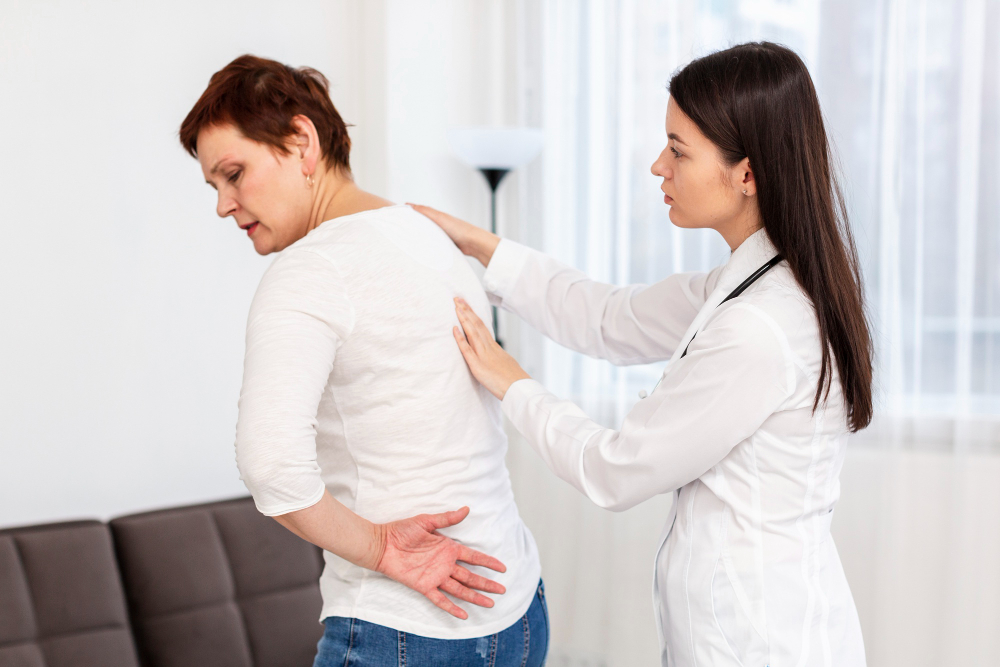
Doctors use several steps to diagnose scoliosis. First, they ask about symptoms and family history. Next, they do a physical exam. During the exam, you may be asked to bend forward. This helps the doctor see any curve in the spine. If scoliosis is suspected, imaging tests are used.
Doctors measure the curve in degrees. A curve over 10 degrees is considered scoliosis. The size of the curve helps guide treatment. Early diagnosis is key, so do not delay if you notice symptoms.
Treatment Options for Scoliosis
Treatment for scoliosis depends on age, curve size, and symptoms. Not all cases need treatment. Some people only need regular check-ups. However, others may need more help. Here are common scoliosis treatment options:
Most people with mild scoliosis live normal lives. But regular follow-up is important to watch for changes.
Lifestyle Tips and Prevention
While you cannot always prevent scoliosis, healthy habits can help manage it. For example, staying active keeps your back strong. Here are some tips for living with scoliosis:
Although these steps do not cure scoliosis, they can improve comfort and strength. Early action can make a big difference.
When to See a Doctor
If you notice uneven shoulders, hips, or back pain, see a doctor. Early signs can be easy to miss. However, quick action helps prevent problems later. Children and teens should have regular check-ups, especially during growth spurts. If you have a family history of scoliosis, tell your doctor. Remember, most cases are mild, but some need treatment. Do not ignore new or worsening symptoms.
If you have concerns about scoliosis, consult Ajey Diagnostic Pvt. Ltd for personalized guidance on scoliosis.