Stroke Rehabilitation: A Complete Guide to Recovery and Support

What is Stroke Rehabilitation?

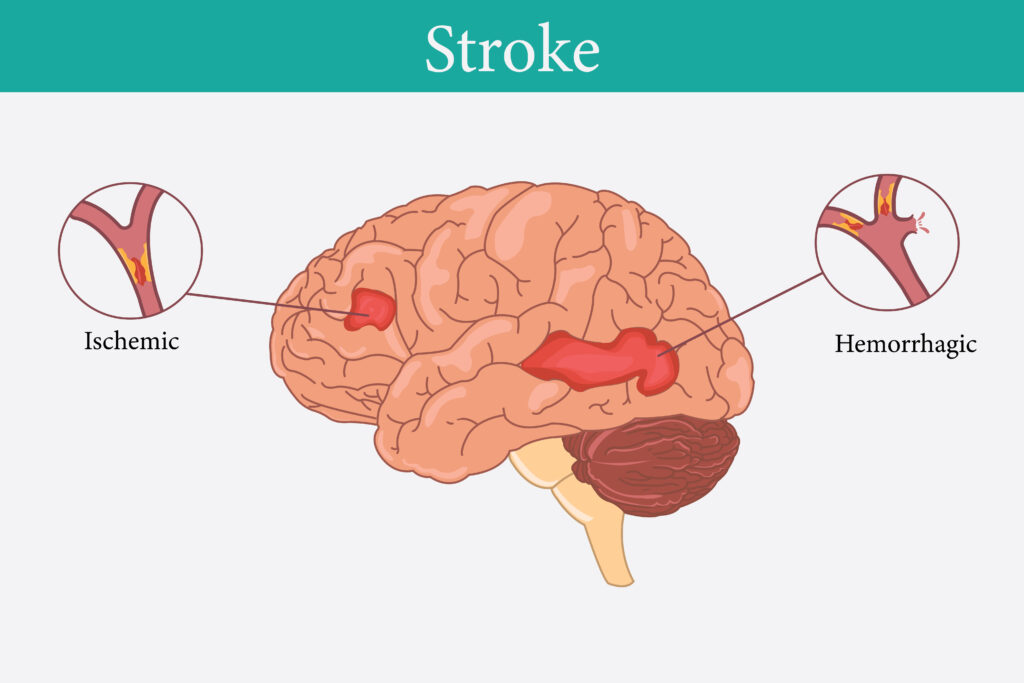
Stroke rehabilitation is a process that helps people regain skills lost after a stroke. A stroke happens when blood flow to the brain is blocked or reduced. This can cause problems with movement, speech, or thinking. Because every stroke is different, stroke rehabilitation is tailored to each person’s needs. Early and ongoing rehab can improve recovery and quality of life. According to the CDC, most stroke survivors benefit from some form of rehabilitation after stroke.

Common Symptoms After a Stroke

After a stroke, people may notice many changes in their bodies and minds. However, symptoms can vary widely. Some common symptoms include:

  • Weakness or numbness on one side of the body
  • Trouble speaking or understanding words
  • Difficulty walking or balancing
  • Problems with memory or thinking
  • Vision changes
  • Swallowing difficulties
  • Fatigue or feeling very tired
  • Because these symptoms can affect daily life, stroke rehabilitation support is important for recovery.

    Goals and Benefits of Rehabilitation

    Stroke rehabilitation has clear goals. First, it aims to help people regain as much independence as possible. Next, it works to improve physical and mental abilities. Some key benefits include:

  • Better movement and strength
  • Improved speech and communication
  • Greater confidence in daily activities
  • Reduced risk of falls and injuries
  • Support for emotional well-being
  • With the right post-stroke therapy, many people can return to work, hobbies, or family life.

    Types of Stroke Rehabilitation Therapies

    There are several types of therapies used in stroke rehabilitation. Each one targets different needs. For example, some focus on movement, while others help with speech or thinking. Common therapies include:

  • Physical therapy: Improves strength, balance, and walking. Stroke recovery exercises are often part of this therapy.
  • Occupational therapy: Helps with daily tasks like dressing, eating, or bathing.
  • Speech therapy: Supports speaking, understanding, reading, and swallowing.
  • Psychological counseling: Assists with mood, memory, and coping skills.
  • Group therapy: Offers social support and shared learning.
  • Because every person is unique, a team of specialists will create a plan that fits individual needs.

    How Stroke Rehabilitation Works: The Process

    Stroke rehabilitation usually starts in the hospital soon after a stroke. Early rehab can lead to better results. The process often includes:

  • Assessment: Doctors and therapists check abilities and needs.
  • Goal setting: The team and patient set short- and long-term goals.
  • Therapy sessions: Regular sessions focus on stroke recovery exercises and skills.
  • Progress checks: The team reviews progress and adjusts the plan as needed.
  • Home program: Patients continue exercises and activities at home.
  • Because recovery can take weeks or months, patience and support are important throughout the journey.

    Tips for Supporting Recovery at Home

    After leaving the hospital, home support is key for stroke rehabilitation. Here are some helpful tips:

  • Follow the therapy plan and do recommended exercises daily
  • Keep the home safe by removing tripping hazards
  • Use handrails or grab bars in bathrooms and stairs
  • Encourage healthy eating and regular sleep
  • Stay positive and celebrate small improvements
  • Ask for help from family, friends, or stroke rehabilitation support groups
  • Because recovery can be slow, patience and encouragement make a big difference.

    Preventing Further Strokes

    After a stroke, preventing another one is very important. Some steps can lower the risk:

  • Take medicines as prescribed by your doctor
  • Control blood pressure, blood sugar, and cholesterol
  • Eat a healthy diet with fruits, vegetables, and whole grains
  • Exercise regularly, as advised by your care team
  • Avoid smoking and limit alcohol
  • Attend regular check-ups with your healthcare provider
  • Because small changes can have a big impact, following these steps helps protect your health.

    Frequently Asked Questions

  • How long does stroke rehabilitation take?
  • Recovery time varies for each person. Some improve in weeks, while others need months or longer.
  • Can all abilities return after a stroke?
  • Some people regain most abilities, but others may have lasting changes. Early and ongoing rehab helps improve outcomes.
  • Is it normal to feel sad or frustrated?
  • Yes, these feelings are common. Talking to a counselor or joining a support group can help.
  • What if progress seems slow?
  • Recovery can take time. Celebrate small steps and keep working with your rehab team.
  • Where can I find stroke rehabilitation support?
  • Ask your doctor about local programs, therapists, or support groups in your area.
  • Stroke rehabilitation is crucial for regaining independence and improving quality of life. At Solaceum Quick Relief, our experts provide personalized guidance tailored to each patient’s recovery journey.

    Consult our neurologists and rehabilitation specialists at Solaceum Quick Relief today for expert stroke recovery support!