
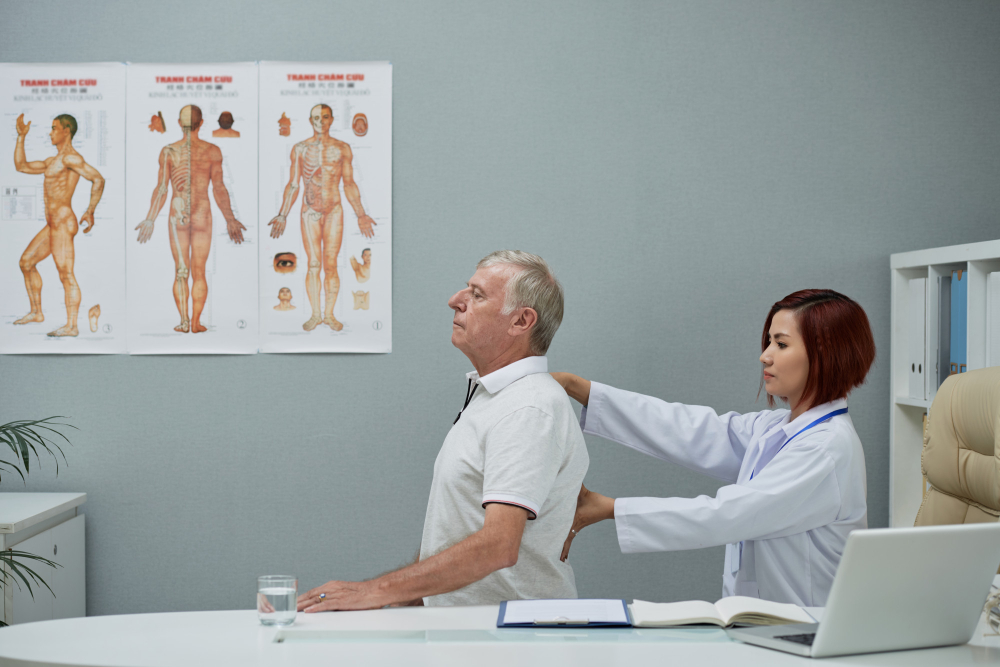
Why Spine Health Matters
Your spine supports your whole body. It helps you stand, move, and bend. Because of this, good spine health is very important. If your spine is not healthy, you may feel pain or weakness. Sometimes, spine problems can even affect your nerves. According to the World Health Organization (WHO), back pain is a leading cause of disability worldwide. So, taking care of your spine helps you stay active and pain-free.
Common Causes of Spine Problems
Many things can lead to spine issues. For example, poor posture, lifting heavy objects the wrong way, or sitting for long hours can hurt your back. In addition, injuries, aging, and some diseases can also cause spine problems. Sometimes, even stress can make back pain worse. Knowing these causes can help you avoid them and keep your spine healthy.
Practical Daily Tips for Maintaining Spine Health
There are many simple ways to protect your spine every day. Here are some easy spine health tips you can follow:
By following these tips, you can help prevent back pain and keep your spine healthy.
Warning Signs of Spine Issues
Sometimes, your body gives you signals that your spine needs attention. Watch for these warning signs:
If you notice any of these signs, it is important to act quickly. Early care can prevent serious problems.
Prevention Strategies for a Healthy Spine
Besides daily habits, you can take extra steps to protect your spine. For example, you can:
These prevention strategies work well with daily spine health tips. Together, they help you avoid future problems.
When to Seek Medical Advice
Although many spine issues improve with self-care, some need expert help. You should see a neurology or spine care specialist if:
Early treatment can make a big difference. Do not wait if you are worried about your spine health.
Summary
In summary, good spine health is key for a happy, active life. By following simple tips and knowing the warning signs, you can prevent back pain and other issues. Remember, neurology spine care experts can help if you have concerns. For personalized spine health advice, consult a specialist at Solaceum Quick Relief today.