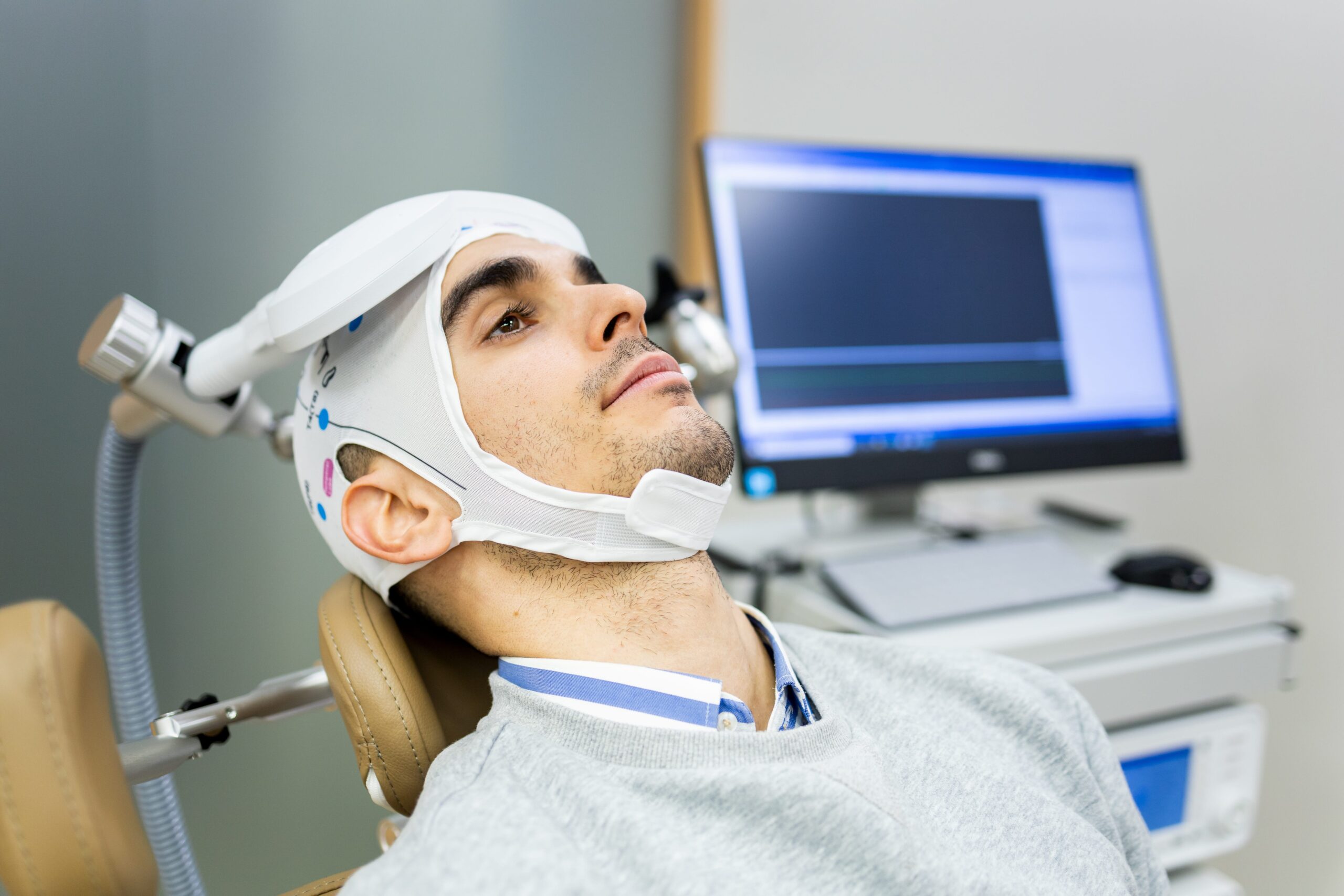
TMS (Transcranial Magnetic Stimulation) is a safe, non-invasive therapy that uses magnetic pulses to stimulate the brain and improve brain function. It’s most well-known for its effectiveness in treating depression that doesn’t respond to traditional medications, but it’s also beneficial for a variety of other conditions. With minimal side effects and a very low risk of serious issues, TMS is an ideal choice for those seeking non-surgical treatment for chronic pain or pain relief treatment options.
TMS works by using magnetic pulses to target specific areas of the brain. This stimulates brain cells, helping to restore normal brain activity and improve the connections between nerve cells. By improving the brain’s natural function, it can help with both mental health conditions like depression and neurological issues such as pain management.
While TMS therapy is generally very safe, some people may experience mild and short-lived side effects, such as:
Less common side effects include:
Rare but serious side effects:
TMS should be avoided in patients with:
If you’re struggling with chronic pain, mental health issues, or conditions like fibromyalgia, musculoskeletal pain, or post-surgical rehabilitation, TMS therapy at Solaceum Quick Relief can help. Our experienced team is here to guide you through a safe, non-invasive treatment that offers relief without the need for medication or surgery.
Whether you’re struggling with treatment-resistant depression, anxiety, or post-stroke symptoms, TMS can help your brain heal naturally.
Take the first step toward a brighter, calmer mind —
Book your TMS consultation today and rediscover life without limits!
TMS (Transcranial Magnetic Stimulation) uses magnetic pulses to activate specific brain regions, improving nerve connectivity and restoring normal brain function.
It is highly effective for depression, anxiety, OCD, migraine, post-stroke recovery, dystonia, and early Parkinson’s disease.
Yes. rTMS is FDA-approved, non-invasive, and drug-free. It causes no memory loss or systemic side effects.
Each session lasts 20–40 minutes. A complete protocol generally includes 20–30 sessions over 4–6 weeks for optimal neuroplastic improvement.
Most experience reduced symptoms within 2–4 weeks. Clinical studies show up to 70% improvement in depression and migraine control.